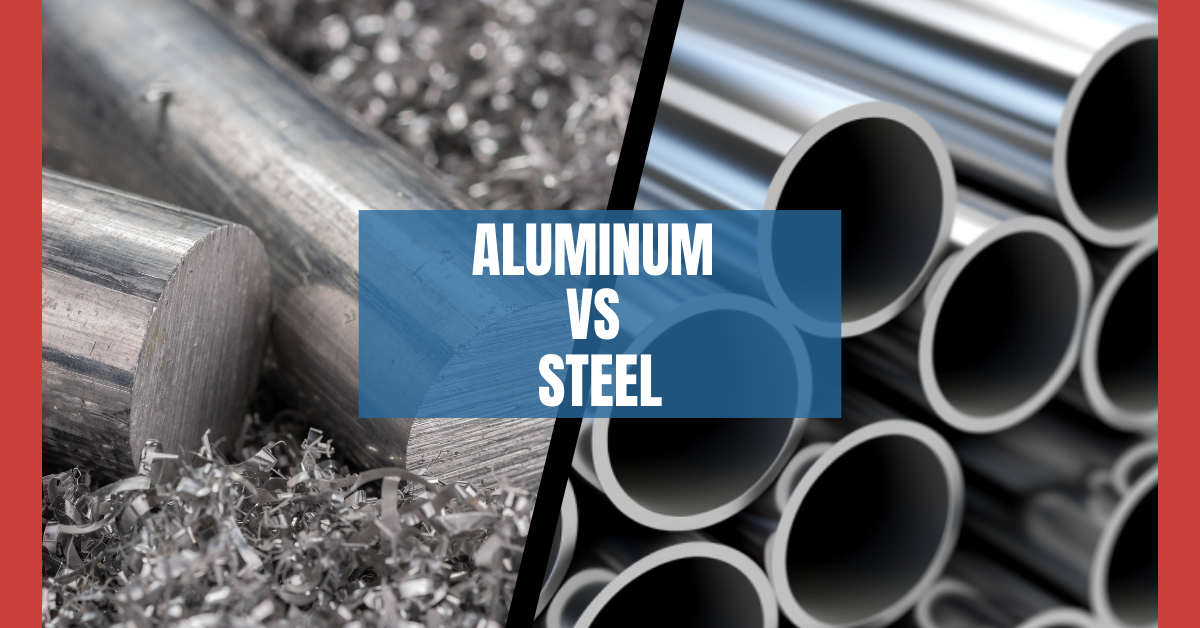
In today’s engineering and manufacturing landscape, the choice between aluminum and steel can significantly impact project success.
This comprehensive guide provides data-driven insights to help you make informed decisions for your specific applications.
Quick Navigation
- Understanding Material Basics
- Property Comparison
- Cost Analysis
- Application Guide
- Future Outlook
Understanding Material Basics
At their core, aluminum and steel represent two fundamentally different approaches to material engineering. While aluminum offers lightweight efficiency, steel provides unmatched strength.
Both materials have distinct atomic structures and properties that define their behavior:
Aluminum Characteristics
- Density: 2.7 g/cm³
- Face-centered cubic (FCC) structure
- Natural oxide protection layer
- Non-magnetic properties
Steel Properties
- Density: 7.85 g/cm³
- Iron-carbon alloy (0.03-2.14% carbon)
- Variable crystal structure
- Magnetic properties
Which metal is stronger, aluminum or steel?
While aluminum boasts a superior strength-to-weight ratio, steel emerges as the victor in terms of raw strength. Its high carbon content contributes to its greater resilience and strength compared to aluminum. This robust nature makes steel a mainstay in industries requiring heavy-duty applications.
What is the weight difference between aluminum and steel?
Aluminum is significantly lighter than steel. Steel’s density is roughly 2.5 times greater than aluminum’s, primarily due to its higher carbon content. While lighter forms of steel, like mild steel, exist, they often compromise strength and are more prone to cracking compared to their heavier counterparts.
Material Properties Comparison
| Property | Aluminum | Steel |
|---|---|---|
| Tensile Strength | 90-600 MPa | 400-2000 MPa |
| Yield Strength | 40-500 MPa | 250-1500 MPa |
| Thermal Conductivity | 237 W/m·K | 45 W/m·K |
| Electrical Conductivity | 37.7 × 10⁶ S/m | 7.7 × 10⁶ S/m |
| Melting Point | 660°C | 1370-1530°C |
| Corrosion Resistance | Excellent | Requires Protection |
Property Comparison
| Property | Aluminum | Steel |
|---|---|---|
| Density | 2.7 g/cm³ | 7.85 g/cm³ |
| Tensile Strength | 90-600 MPa | 400-2000 MPa |
| Thermal Conductivity | 237 W/m·K | 45 W/m·K |
| Corrosion Resistance | Excellent | Requires Protection |
Corrosion Resistance
Which metal is more resistant to corrosion, aluminum or steel?
Aluminum exhibits superior corrosion resistance compared to standard steel. A naturally forming protective oxide layer on its surface shields the underlying metal from the elements, preventing rust and corrosion. However, specific types of steel, such as stainless steel (containing chromium), offer enhanced corrosion resistance but at a higher cost.
- Aluminum: Forms natural protective oxide layer
- Steel: Requires protective treatments
- Stainless Steel: Enhanced resistance but at higher cost
Fabrication Properties
| Process | Aluminum | Steel |
|---|---|---|
| Cold Forming | Excellent | Limited |
| Heat Treatment | Optional | Often Required |
| Welding | More Complex | Standard |
| Machining | Higher Speeds | Standard Speeds |
How do aluminum and steel compare in terms of malleability and fabrication?
Aluminum is more malleable than steel. This means it can be readily shaped and formed into intricate designs without cracking. While steel requires heat treatment to achieve similar levels of formability, aluminum can be easily manipulated in both hot and cold states, making it a favorite for processes like extrusion.
What are the primary applications of aluminum?
Aluminum’s lightweight, corrosion resistance, and malleability make it ideal for:
- Aircraft construction: Fuselage, wings, and support structures
- Structural components: Where weight savings is critical
- Power lines: High conductivity and low weight
- Windows and doors: Durability and weather resistance
- Electronics: Smartphones, computers, and TVs (high conductivity)
- Household appliances: Refrigerators and washing machines (lightweight and corrosion resistance)
What are the common uses of steel?
Steel’s strength, durability, and versatility lend it to applications like:
- Buildings and infrastructure: Steel reinforcement in concrete structures
- Factory equipment: Heavy machinery and tools
- Vehicles: Cars, ships, and trains (frames, drive trains, suspensions)
- Medical equipment: Surgical instruments and implants
- Pipes: Water and gas transportation
- Storage and packaging: Containers and barrels
Cost Analysis
Which is more cost-effective, aluminum or steel?
Generally, steel, particularly carbon steel, tends to be more cost-effective than aluminum when comparing price per pound. However, fluctuating market conditions and specific alloy types can impact the cost difference. While steel may have a lower upfront cost, aluminum’s longevity and reduced maintenance requirements could lead to long-term cost savings.
Understanding the true cost involves more than just material prices:
Initial Costs
- Material procurement
- Processing requirements
- Tooling needs
- Installation expenses
| Cost Factor | Aluminum | Steel |
|---|---|---|
| Raw Material (per pound) | $0.50-0.75 | $0.20-0.60 |
| Processing | Higher | Lower |
| Tooling | Specialized | Standard |
Lifecycle Considerations
- Maintenance requirements
- Operational efficiency
- Replacement frequency
- End-of-life value
| Factor | Aluminum Impact | Steel Impact |
|---|---|---|
| Maintenance | Minimal | Regular |
| Longevity | 20+ years | 15-20 years |
| Recycling Value | Higher | Lower |
Application Guide
Industry-Specific Uses
| Industry | Aluminum Applications | Steel Applications |
|---|---|---|
| Aerospace | Fuselage, wings | Landing gear |
| Automotive | Body panels, wheels | Frame, drivetrain |
| Construction | Windows, doors | Structural beams |
| Electronics | Heat sinks, casings | Internal components |
| Infrastructure | Power lines | Bridges, railways |
Transportation Industry
- Aerospace: Aluminum dominates due to weight savings
- Automotive: Mixed usage, trending toward aluminum
- Marine: Application-specific selection
- Rail: Steel for structural, aluminum for carriages
Construction Sector
- Commercial Buildings: Steel for structure, aluminum for facades
- Infrastructure: Steel for heavy-duty, aluminum for lightweight
- Residential: Application-dependent selection
- Industrial: Mostly steel with specific aluminum applications
Future Outlook
The industry is evolving rapidly with several key trends:
Technological Advances
- Advanced manufacturing methods
- New alloy developments
- Smart material integration
- Hybrid solutions
Sustainability Focus
- Carbon footprint reduction
- Improved recycling methods
- Energy efficiency
- Circular economy integration
Making the Right Choice
Which metal should I choose for my project?
The choice between aluminum and steel hinges on your project’s specific requirements:
- Prioritize strength and durability: Steel, particularly if the design is relatively simple.
- Value a lightweight material with corrosion resistance and formability: Aluminum might be the better option, especially for intricate designs.
Selection Criteria Matrix
| Requirement | Choose Aluminum | Choose Steel |
|---|---|---|
| Maximum Strength | No | Yes |
| Weight Reduction | Yes | No |
| Corrosion Resistance | Yes | No* |
| Complex Shapes | Yes | No |
| Cost Efficiency | No | Yes |
| High Temperature | No | Yes |
*Unless using stainless steel
Consider these key factors when selecting your material:
- Application Requirements
- Load conditions
- Environmental exposure
- Weight restrictions
- Budget constraints
- Processing Needs
- Manufacturing capabilities
- Joining methods
- Surface finishing
- Quality requirements
- Long-term Considerations
- Maintenance capacity
- Lifecycle costs
- Environmental impact
- Future regulations
Expert Tips
- Always consider the entire lifecycle, not just initial costs
- Factor in local availability and expertise
- Consider maintenance requirements and capabilities
- Think about future modifications or upgrades
Conclusion
The choice between aluminum and steel isn’t always straightforward. Success lies in careful consideration of all factors - technical, economic, and practical. While steel continues to dominate in strength-critical applications, aluminum’s growing popularity in lightweight applications shows no signs of slowing.
Additional Resources
For more detailed information:
- Industry standards and specifications
- Material testing procedures
- Design guidelines
- Case studies
This guide is regularly updated to reflect the latest industry developments and market trends. Last updated: November 2024