Aluminum Metals: Building the Future of Construction
Aluminum Metals for Construction Companies
Aluminum has emerged as a game-changer in the construction industry, offering a perfect blend of strength, durability, and versatility. With its exceptional properties and wide range of applications, aluminum has become the material of choice for architects, engineers, and construction professionals worldwide.
From plates and sheets to coils, foils, bars, and strips, aluminum metals provide endless possibilities for creating innovative and sustainable structures.

Structural Applications


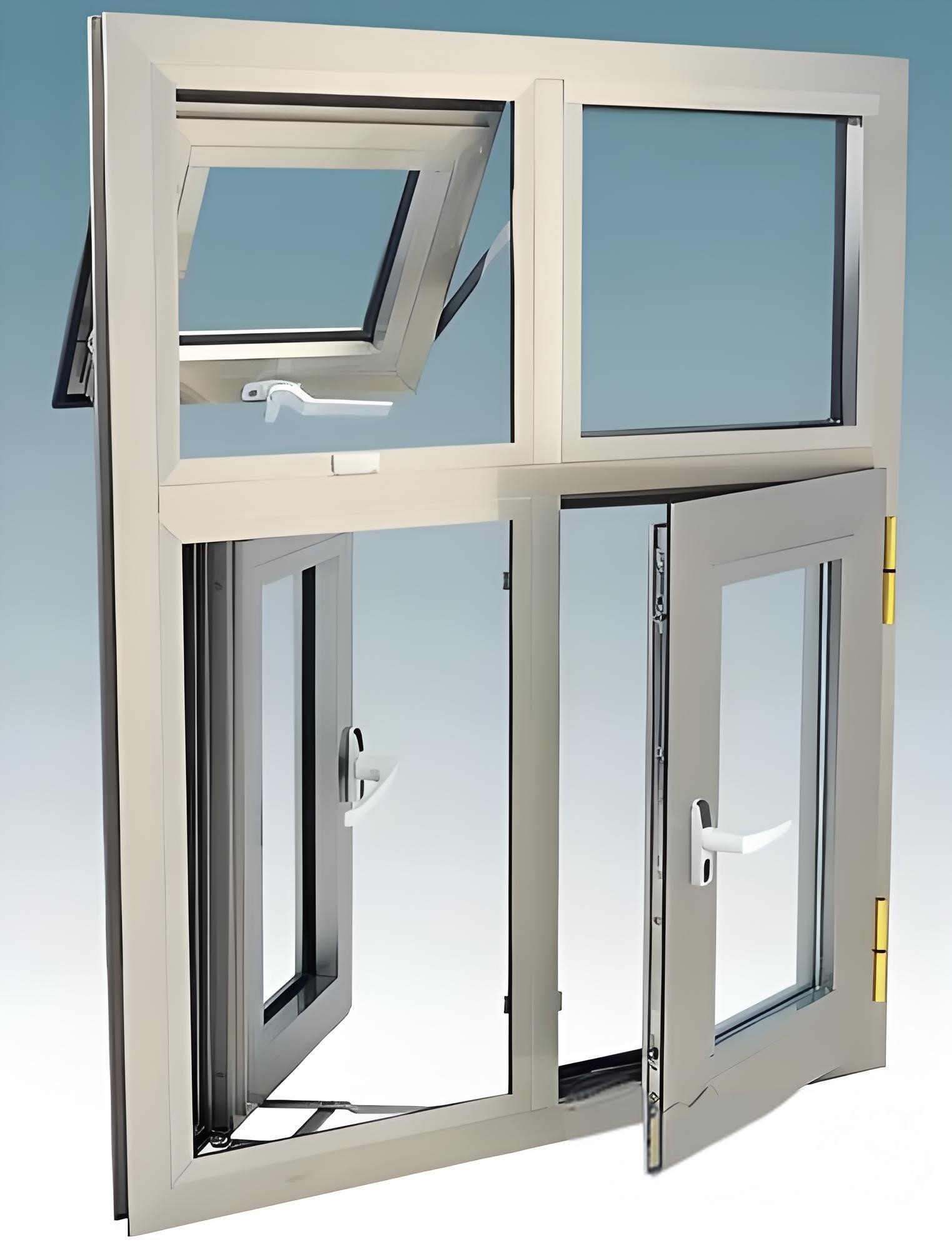
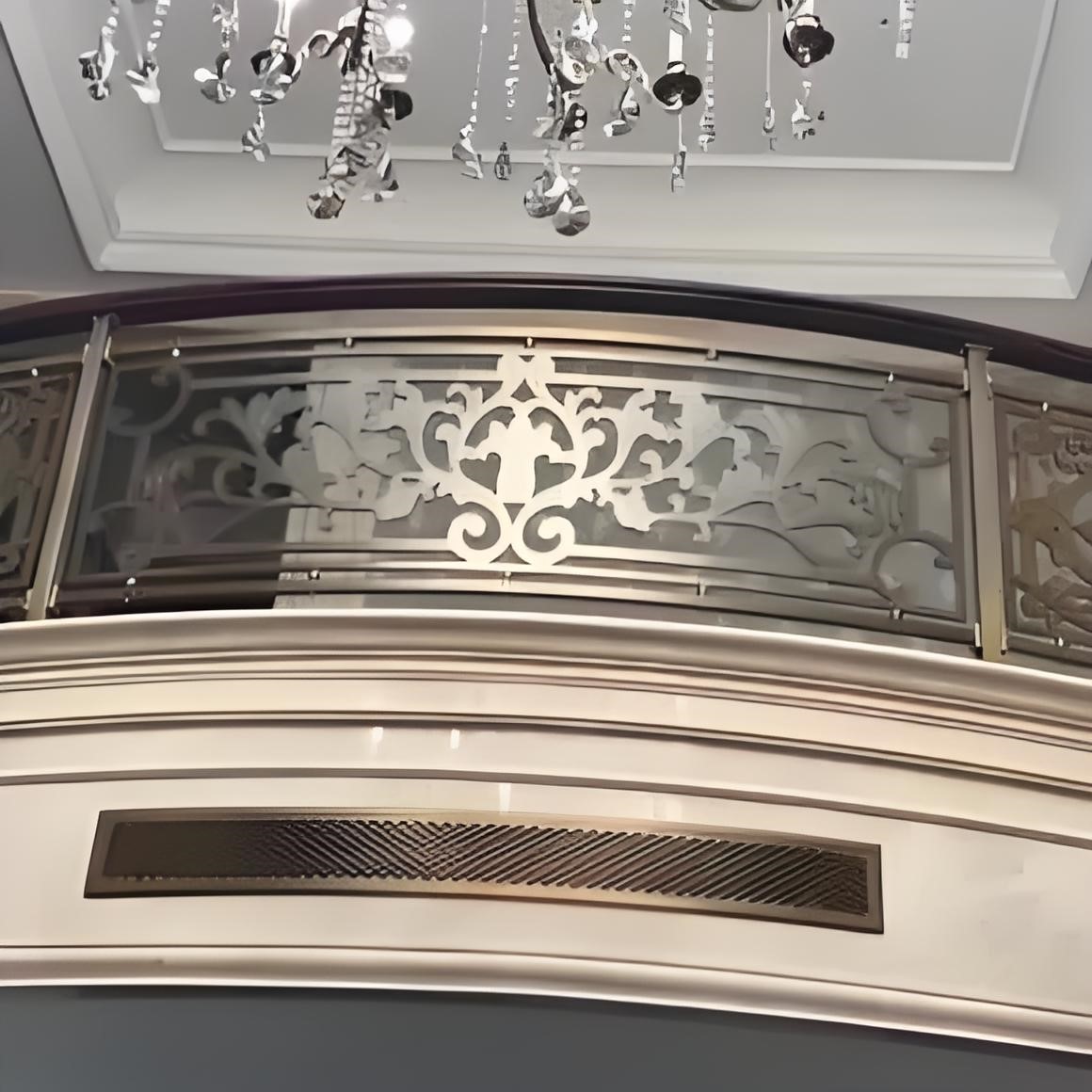
Architectural Applications
Aluminum’s flexibility allows architects to craft intricate façades and sleek, contemporary structures that stand out in urban landscapes. Its corrosion resistance ensures lasting durability, maintaining aesthetic appeal over time.

Case Study: Apex Construction Solutions successfully optimized its high-rise commercial project by transitioning to our 7050 aluminum sheet, achieving a significant reduction in the weight of structural elements by 30%. This change resulted in enhanced load-bearing capabilities, allowing for more efficient design and construction practices while ensuring compliance with safety standards. The superior strength-to-weight ratio of 7050 aluminum also contributed to a 10% decrease in overall material costs, further supporting Apex’s commitment to sustainability. This innovative use of advanced aluminum materials illustrates how Apex continues to lead in modern construction methods.
Our Strength
Our aluminum sheets and plates are crafted from the finest raw materials, ensuring durability and consistency.
We offer a wide range of sizes, alloys, and finishes to meet your specific manufacturing requirements.
With our efficient production and logistics, we guarantee on-time delivery to keep your projects on schedule.
Why Choose Aluminum for Construction?
•Strength and Durability: Aluminum alloys used in construction offer excellent strength-to-weight ratios, enabling the creation of lightweight yet robust structures. Aluminum’s inherent corrosion resistance ensures long-lasting performance, even in harsh environmental conditions.
•Versatility: Aluminum metals are available in a wide range of forms, including plates, sheets, coils, foils, bars, and strips. This versatility allows for the creation of diverse structural and architectural elements, from framing systems and roofing to curtain walls and decorative features.
•Sustainability: Aluminum is one of the most recyclable materials, with up to 75% of all aluminum ever produced still in use today. The use of recycled aluminum in construction significantly reduces the environmental impact, as it requires only 5% of the energy needed to produce primary aluminum. Moreover, aluminum’s lightweight nature contributes to reduced transportation costs and lower carbon emissions.
•Aesthetic Appeal: Aluminum’s smooth surface finish and ability to be easily shaped and formed make it an ideal material for creating visually appealing structures. It can be anodized or powder-coated in a wide range of colors and finishes, allowing for endless design possibilities. Aluminum’s reflective properties also contribute to its aesthetic appeal, creating striking visual effects and enhancing the overall appearance of buildings.
•Low Maintenance: Aluminum’s corrosion resistance and durability result in minimal maintenance requirements. Unlike other materials, aluminum does not rust, rot, or warp, ensuring long-lasting performance with minimal upkeep. This low maintenance nature of aluminum translates into significant cost savings over the lifetime of a building.
•Energy Efficiency: Aluminum’s thermal conductivity and reflective properties contribute to improved energy efficiency in buildings. Aluminum roofing and cladding systems help in reducing heat absorption, while aluminum window and door frames with thermal break technology minimize heat transfer. These properties lead to reduced cooling and heating loads, resulting in lower energy consumption and costs.
FAQ
The construction industry primarily uses 6000 series aluminum alloys, such as 6061 and 6063, known for their excellent strength, corrosion resistance, and extrudability. These alloys are widely used in structural applications, including framing systems, roofing, and curtain walls. Other alloys, such as 5052 and 3003, are commonly used for roofing and cladding applications due to their formability and weather resistance.
Aluminum is a highly sustainable material for construction due to its recyclability, durability, and energy efficiency. Aluminum is 100% recyclable without any loss of quality, and the recycling process requires only 5% of the energy needed to produce primary aluminum. The use of recycled aluminum in construction significantly reduces the environmental impact and carbon footprint of buildings. Additionally, aluminum’s lightweight nature contributes to reduced transportation costs and emissions, while its reflective properties and thermal break technology enhance energy efficiency.
Aluminum offers several advantages for roofing and cladding applications. Its corrosion resistance and weather resistance ensure long-lasting performance, even in harsh environmental conditions. Aluminum roofing and cladding systems are lightweight, reducing the overall load on the structure and enabling faster installation. They are also low maintenance, requiring minimal upkeep over their lifetime. Moreover, aluminum’s reflective properties help in reducing heat absorption, leading to improved energy efficiency and reduced cooling loads in buildings.
Yes, aluminum is a highly versatile material that can be easily customized to suit various design requirements. Aluminum extrusions and profiles can be produced in a wide range of shapes and sizes, allowing for the creation of unique and complex designs. Aluminum sheets and plates can be easily cut, bent, and formed into desired shapes and profiles. Additionally, aluminum can be anodized or powder-coated in a wide range of colors and finishes, offering endless possibilities for aesthetic customization.
While aluminum may have a higher initial cost compared to some other materials, its long-term cost-effectiveness makes it an attractive choice for construction projects. Aluminum’s durability, low maintenance requirements, and long lifespan result in significant cost savings over the lifetime of a building. Its lightweight nature also contributes to reduced transportation and installation costs. Moreover, aluminum’s energy efficiency properties lead to reduced operating costs, as it helps in minimizing heating and cooling loads. When considering the total lifecycle costs, aluminum often proves to be a cost-effective solution for construction applications.
Aluminum has excellent fire safety properties, making it a suitable choice for construction applications. Aluminum is non-combustible and does not burn or contribute to the spread of fire. It has a high melting point of approximately 660°C (1,220°F), which means it maintains its structural integrity even under high temperatures. In the event of a fire, aluminum does not emit toxic fumes or smoke, ensuring a safer environment for building occupants. However, it is important to note that aluminum’s strength may be affected at elevated temperatures, and appropriate fire protection measures should be implemented in accordance with building codes and regulations.
Aluminum plays a significant role in enhancing the energy efficiency of buildings. Its reflective properties help in reducing heat absorption, particularly when used in roofing and cladding systems. This reflectivity minimizes the amount of solar heat gained by the building, reducing the cooling load and energy consumption. Aluminum window and door frames with thermal break technology also contribute to energy efficiency by minimizing heat transfer between the interior and exterior of the building. The use of aluminum in curtain walls and facades can also improve thermal insulation, further enhancing the overall energy performance of the building. By reducing energy consumption and associated costs, aluminum contributes to the creation of more sustainable and environmentally friendly structures.