Aluminum Metals for Automotive and Aerospace Industries
Driving Innovation in Automotive and Aerospace Industries
Aluminum, the versatile and lightweight metal, has revolutionized the automotive and aerospace industries. Its exceptional strength-to-weight ratio, corrosion resistance, and formability make it an ideal choice for manufacturing components that require high performance and fuel efficiency.
From plates and sheets to rolls, strips, coils, and foils, aluminum offers a wide range of products that cater to the diverse needs of these industries. Discover how aluminum is shaping the future of transportation and aerospace engineering.

Automotive Applications


Case Study: Velocity Motors significantly improved their latest vehicle model by integrating our cutting-edge 6201 aluminum alloys. By replacing traditional materials with these innovative aluminum solutions, they achieved a 35% reduction in vehicle weight. This change resulted in a 7% increase in fuel efficiency, directly enhancing the vehicle’s performance and reducing environmental impact. The lightweight yet strong materials also maintained crash safety standards, reinforcing Velocity Motors’ dedication to both innovation and safety. This shift not only aligned with their sustainability goals but also highlighted the transformative power of advanced aluminum in the automotive industry.
Aerospace Applications
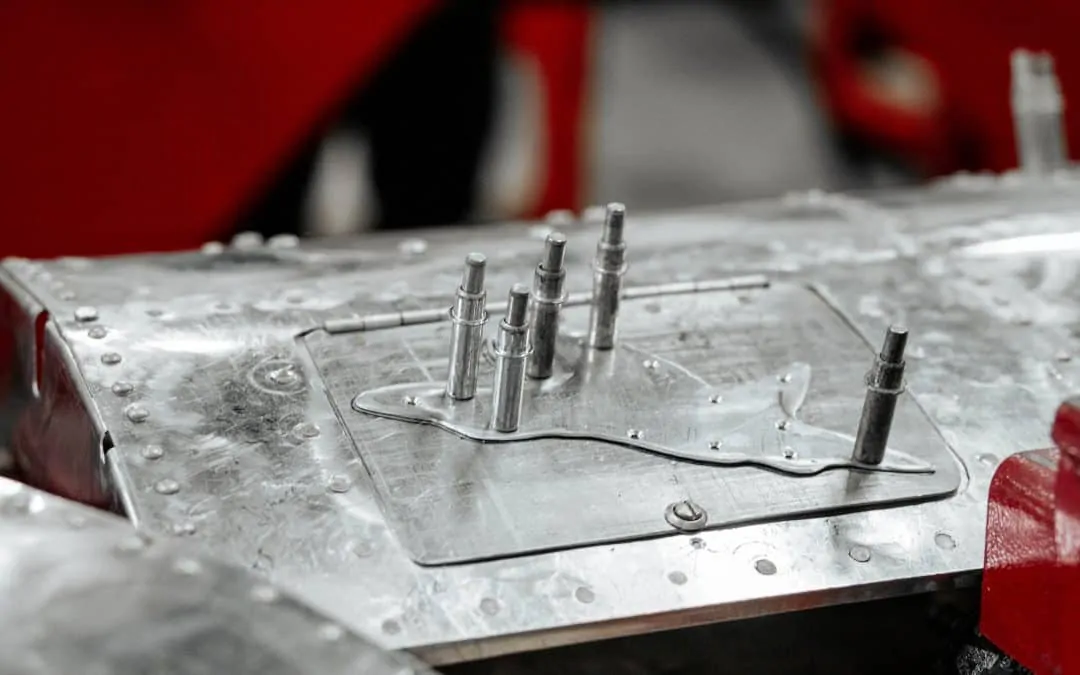
Airframe Structures
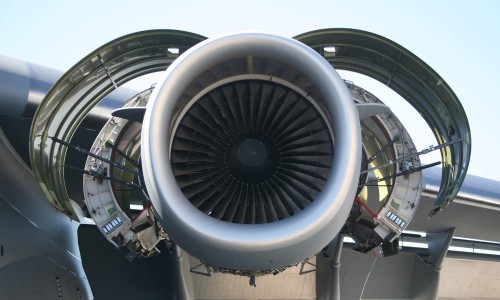
Spacecraft Components

Fuel and Oil Lines

Avionics and Electrical
Case Study: AeroTech Innovations enhanced aircraft efficiency by using our 8011 aluminum, reducing component weight by 30% and boosting fuel efficiency by 6%, while upholding safety and sustainability standards.
Get Started with Aluminum Metals
In addition to our high-quality aluminum products, we also provide value-added services such as custom cutting, forming, and finishing. Our state-of-the-art manufacturing facilities and experienced technicians ensure that your aluminum components are produced to the highest standards of precision and quality. Whether you require prototype development or large-scale production, we have the expertise and capabilities to meet your demands.
Partner with us and experience the benefits of aluminum in your automotive or aerospace projects. Let us help you engineer the future of transportation and aerospace with our innovative aluminum solutions. Contact us today to request a quote or to learn more about our products and services.
Get In TouchOur Strength
Our aluminum sheets and plates are crafted from the finest raw materials, ensuring durability and consistency.
We offer a wide range of sizes, alloys, and finishes to meet your specific manufacturing requirements.
With our efficient production and logistics, we guarantee on-time delivery to keep your projects on schedule.
FAQ
The automotive industry primarily uses 5000 and 6000 series aluminum alloys, known for their strength, formability, and corrosion resistance. The 5000 series alloys, such as 5052 and 5754, are often used for body panels and structural components, while the 6000 series alloys, like 6061 and 6063, are commonly used for extruded parts and suspension components.
Aluminum’s lightweight nature reduces overall vehicle weight, resulting in improved fuel economy and reduced emissions. Every 10% reduction in vehicle weight can lead to a 6-8% improvement in fuel efficiency. By replacing heavier steel components with aluminum alternatives, automakers can significantly reduce the weight of vehicles, leading to better fuel economy and lower environmental impact.
Aluminum offers a high strength-to-weight ratio, corrosion resistance, and the ability to withstand extreme loads and temperatures, making it ideal for aerospace applications. The lightweight properties of aluminum enable the construction of aircraft and spacecraft with improved fuel efficiency, increased payload capacity, and reduced operating costs. Additionally, aluminum’s corrosion resistance ensures the longevity and structural integrity of aerospace components, even in harsh environments.
Yes, aluminum is one of the most recyclable materials, with up to 75% of all aluminum ever produced still in use today. Recycling aluminum requires only 5% of the energy needed to produce primary aluminum, making it an environmentally friendly choice. The recycling process involves melting down scrap aluminum and reforming it into new products, without any loss of quality or properties. The automotive and aerospace industries actively promote the recycling of aluminum components to minimize waste and reduce their environmental footprint.
While aluminum may have a higher initial cost compared to materials like steel, its lightweight properties and durability result in long-term cost savings. The use of aluminum in automotive and aerospace applications leads to improved fuel efficiency, reduced maintenance costs, and extended vehicle and aircraft lifespans. Additionally, the recyclability of aluminum contributes to cost savings, as recycled aluminum requires significantly less energy to produce compared to primary aluminum. When considering the total lifecycle costs, aluminum often proves to be a cost-effective choice for many applications.
One of the main challenges of using aluminum in automotive and aerospace applications is the need for specialized manufacturing processes and equipment. Aluminum’s unique properties require different welding, forming, and joining techniques compared to traditional steel. This necessitates investment in training and equipment to ensure proper fabrication and assembly of aluminum components. Additionally, the higher initial cost of aluminum compared to steel can be a challenge for some manufacturers, although the long-term benefits often outweigh the initial investment.
The use of aluminum in the automotive and aerospace industries contributes to sustainability in several ways. Firstly, aluminum’s lightweight properties lead to improved fuel efficiency and reduced emissions, helping to minimize the environmental impact of transportation. Secondly, aluminum’s recyclability allows for the continuous reuse of the material, reducing the need for virgin resources and minimizing waste. The recycling process of aluminum also requires significantly less energy compared to the production of primary aluminum, further reducing the carbon footprint of the industries. Additionally, the long lifespan and durability of aluminum components contribute to the overall sustainability of vehicles and aircraft, as they require fewer replacements and repairs over time.
 English
  French